East Java remains one of the provinces with a high burden of tuberculosis (TB) in Indonesia, with 90,840 reported cases in 2024. Globally, tuberculosis continues to be a major public health issue, with approximately 10.7 million people affected worldwide according to the Global Tuberculosis Report 2024. Indonesia itself contributes around 10% of global TB cases, highlighting the urgency of strengthening prevention and control efforts.
Based on the pre-activity assessment conducted by SCOPH CIMSA UNEJ, it was found that the level of knowledge regarding tuberculosis among respondents was still relatively low, with an average score of 49.6%. Many respondents had misconceptions regarding TB transmission, symptoms, and general understanding of the disease. In contrast, respondents demonstrated a very good attitude towards TB prevention (3.9/4), indicating strong awareness and willingness to support preventive measures. However, behavior related to early detection was still lacking, as reflected by limited exposure to TB screening in the community.
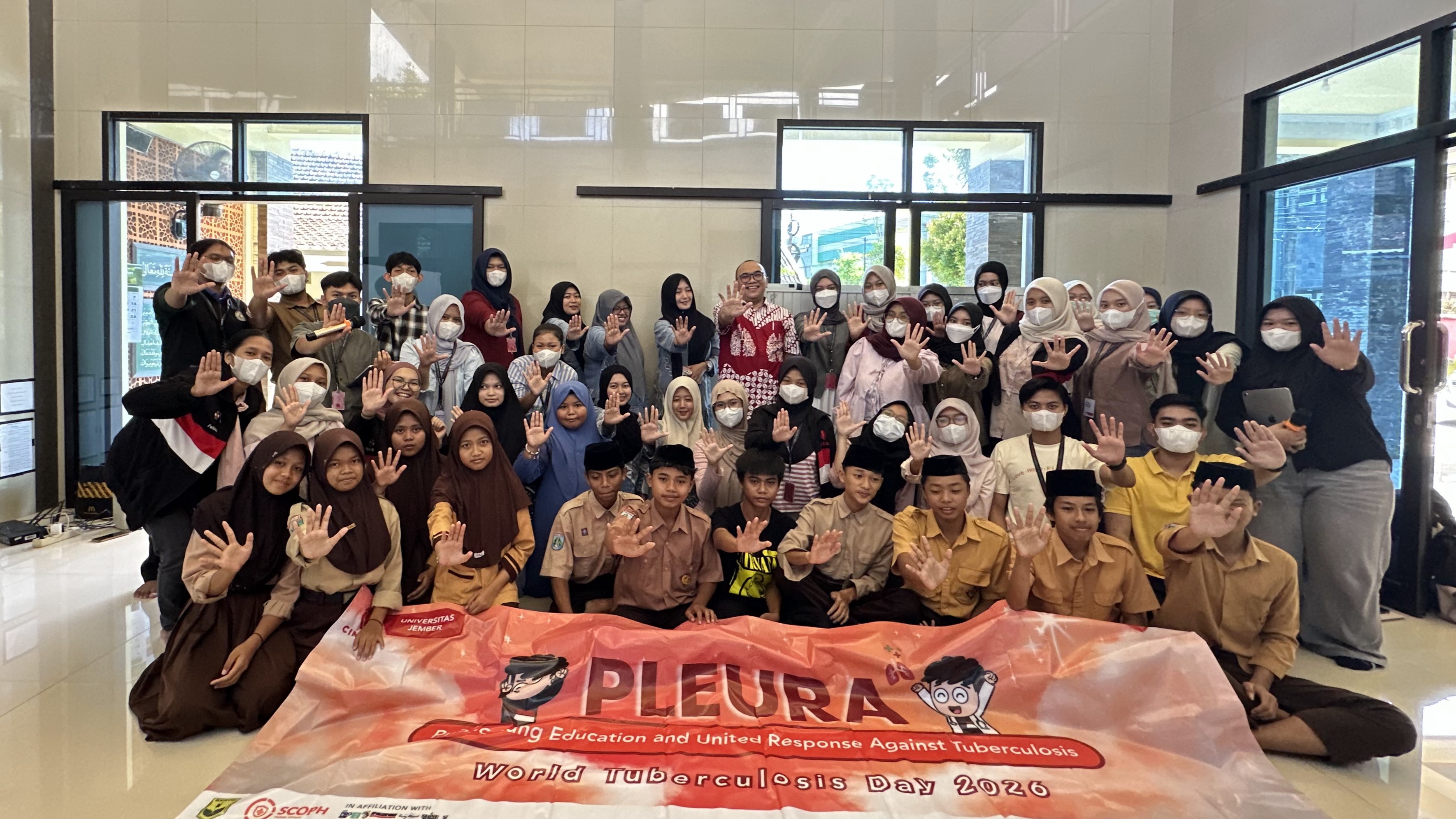
Therefore, SCOPH CIMSA UNEJ initiated an activity called PLEURA (Public Lung Education and United Response Against Tuberculosis) in commemoration of World Tuberculosis Day (WTBD) 2026. This activity aims to improve public knowledge and encourage proactive behavior in preventing and detecting tuberculosis early.
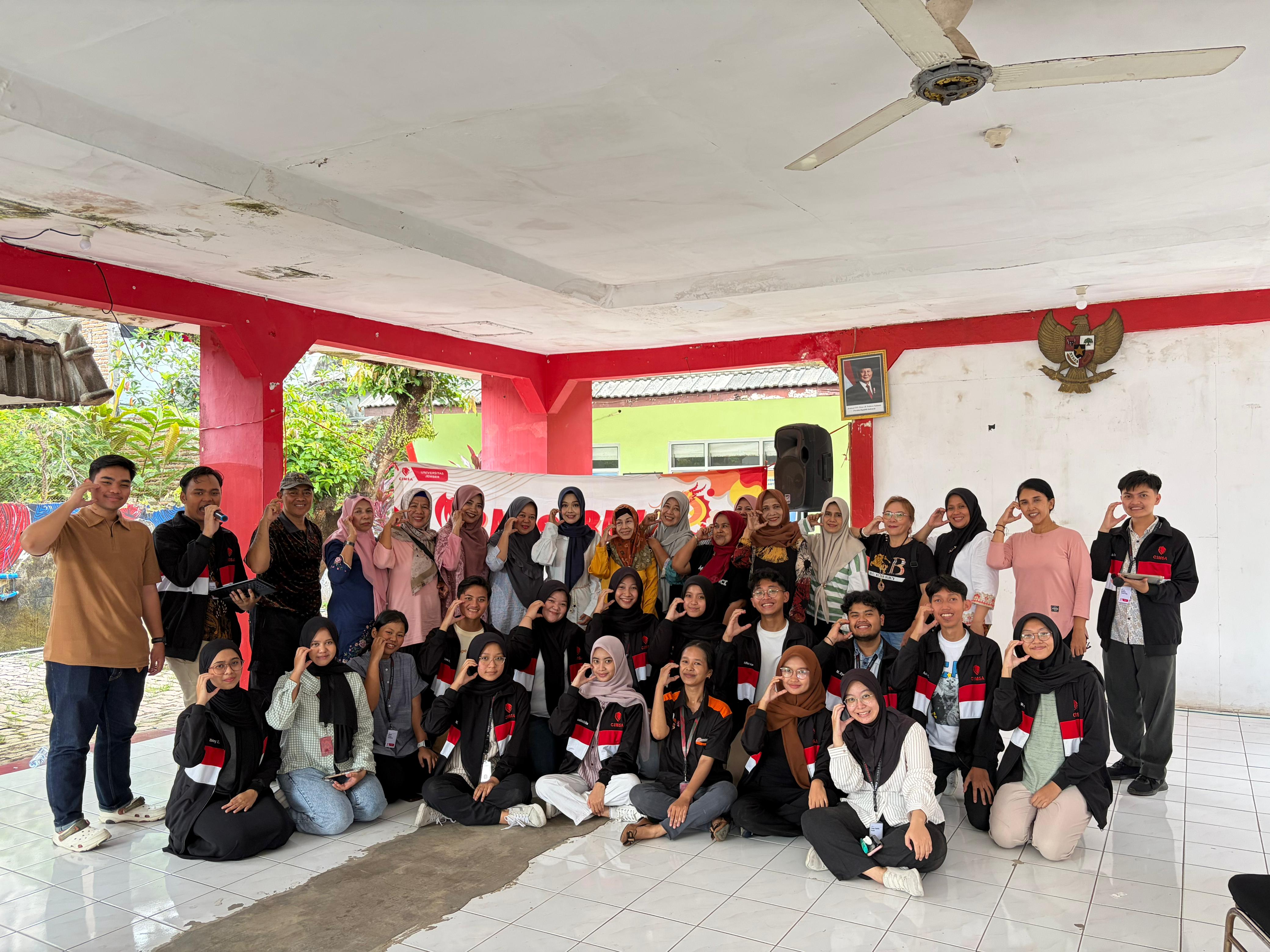
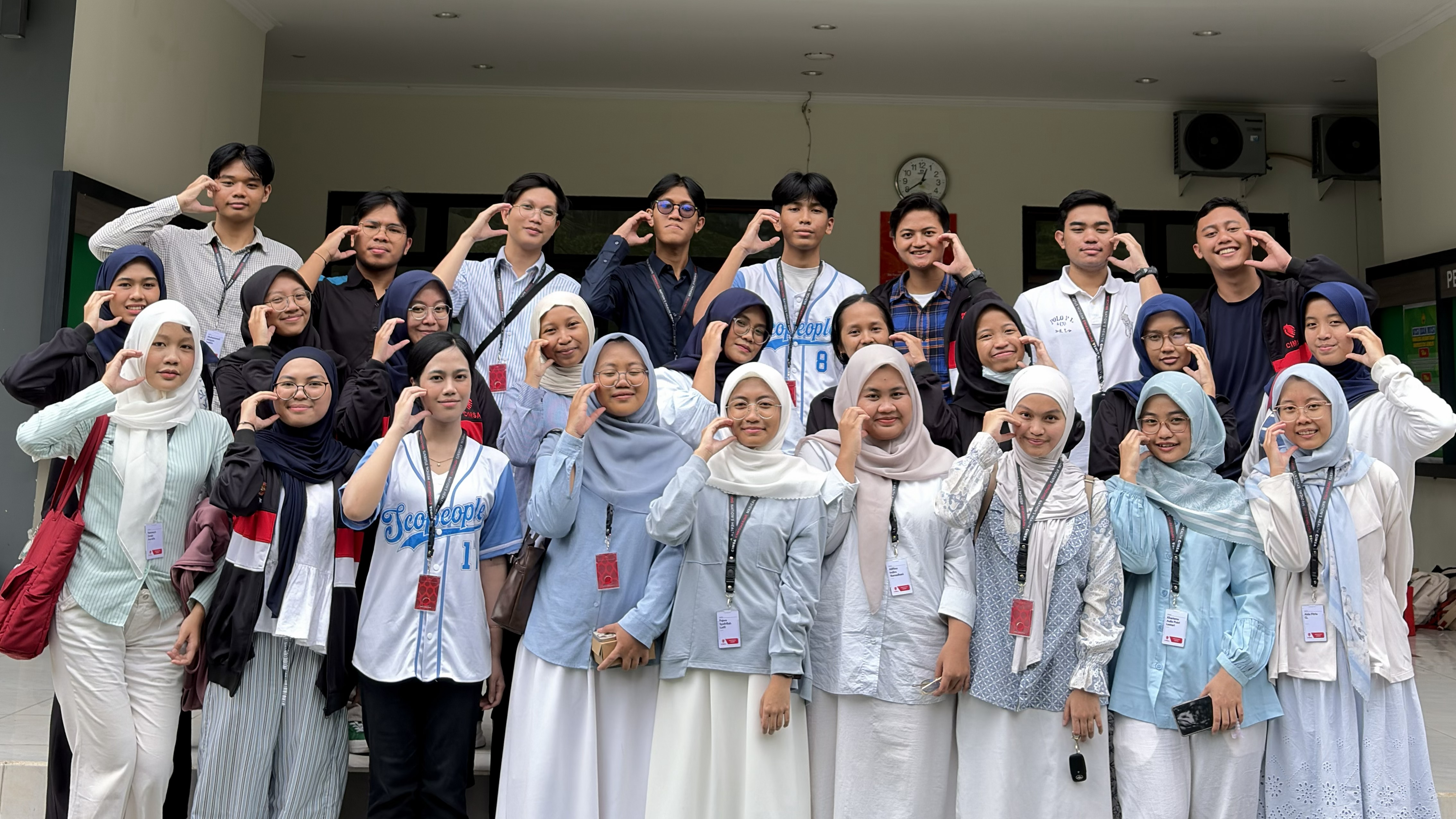
The PLEURA pre-activity training was conducted to equip members with fundamental knowledge regarding public health and tuberculosis. This training focused on addressing the gaps identified in the assessment, particularly misconceptions about TB transmission, symptoms, and prevention strategies. Participants showed high enthusiasm throughout the session, indicating strong readiness to contribute to community-based interventions.
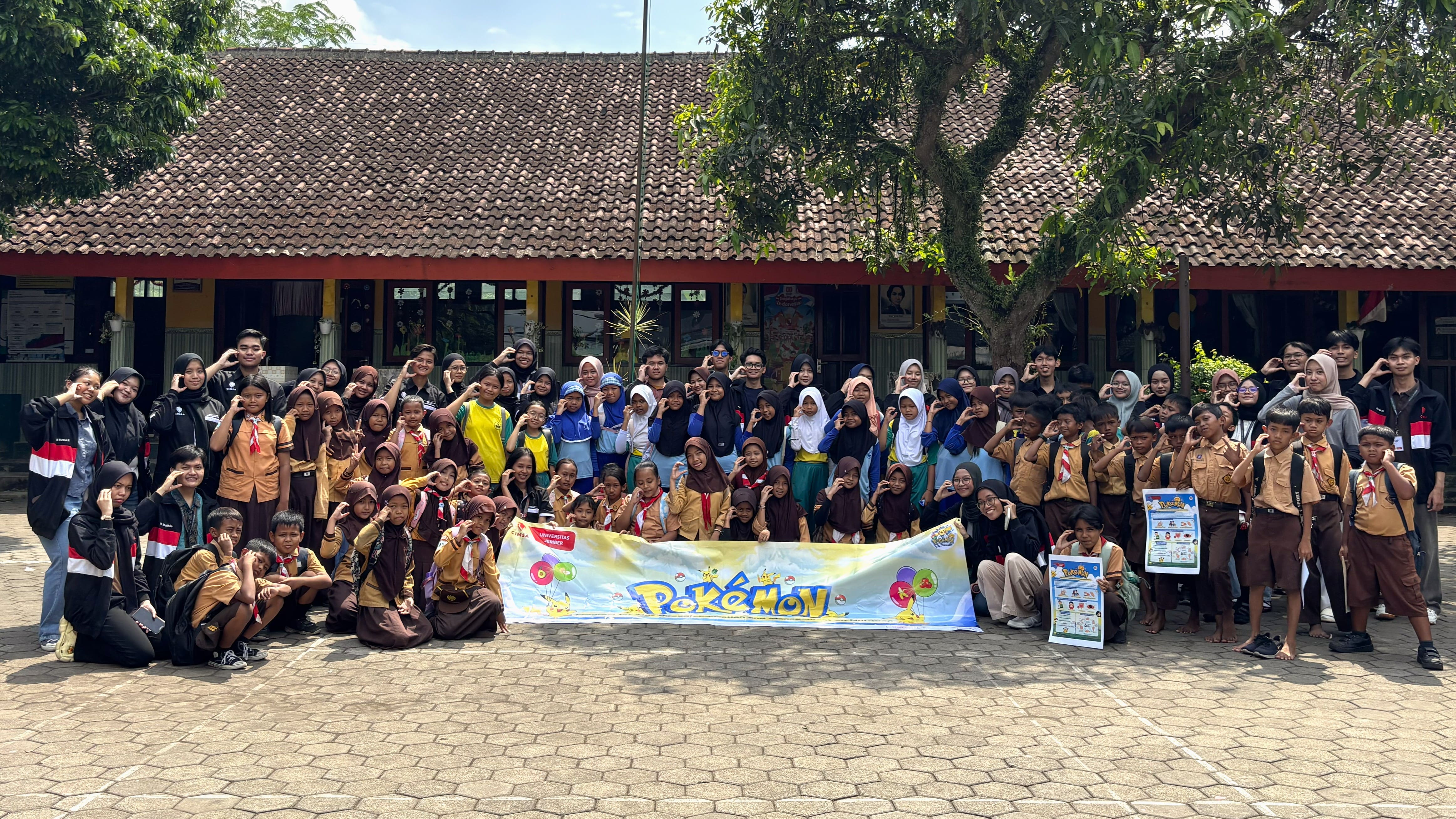
The main activity will focus on delivering health education through seminars, campaigns, and community engagement programs. The educational content emphasizes key topics such as the definition of tuberculosis, risk factors, symptoms, transmission, prevention, treatment adherence, and the importance of early detection. Additionally, the activity promotes collaboration with healthcare facilities to introduce TB screening as part of community-level interventions.
Furthermore, a social media campaign will be conducted to broaden the reach of information and increase public awareness. Through these integrated efforts, PLEURA is expected to address knowledge gaps, strengthen positive attitudes, and improve preventive behaviors related to tuberculosis in the community.
Overall, PLEURA serves as a strategic initiative to empower both members and the community in combating tuberculosis through education, awareness, and early detection efforts.