Sexual and reproductive health remains a crucial component of overall well-being, including physical, mental, and social aspects related to the reproductive system. However, limited knowledge, hesitation in discussing reproductive health, and low preventive health behaviors are still commonly found among adolescents and young adults. In Jember, these challenges highlight the need for structured education and practical interventions to promote comprehensive sexual education and responsible health practices.
SCORA CIMSA Universitas Jember conducted a pre-activity assessment by involving 33 respondents. The findings showed that the overall knowledge regarding reproductive health was relatively good (69.6/100). However, important knowledge gaps remained: 36.4% of respondents incorrectly answered questions related to the transmission of sexually transmitted infections (STIs), and 33.4% demonstrated misconceptions about long-term contraceptive methods in family planning. Although participants attitudes were categorized as very good (3.3/4), many of them reported feeling uncomfortable discussing reproductive health topics with family and close friends. Furthermore, behavioral scores were categorized as poor (2.4/4), as respondents rarely underwent reproductive health check-ups and reported limited exposure to reproductive health education. These findings indicate a persistent gap between knowledge, attitudes, and the actual reproductive health practices.
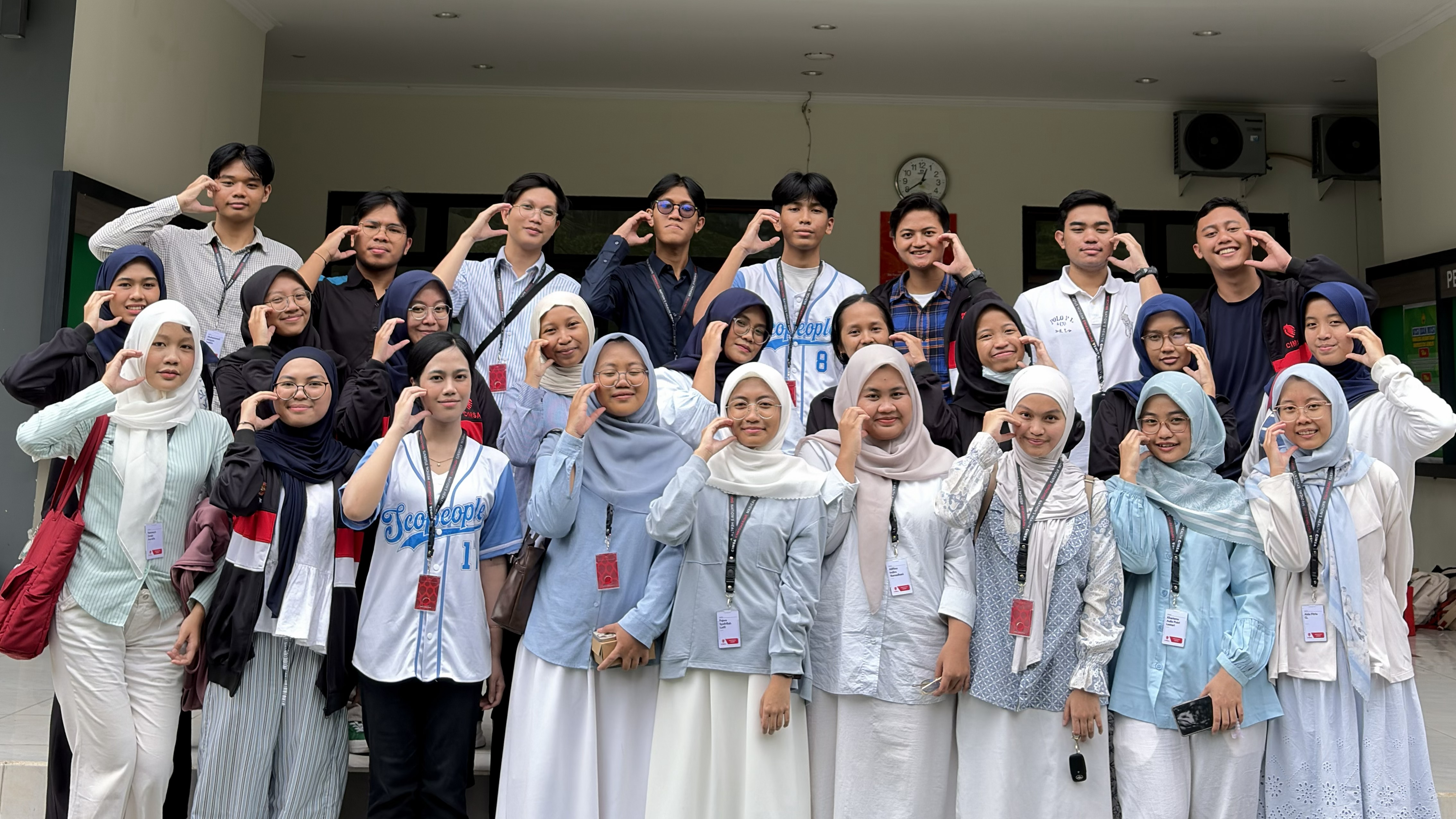
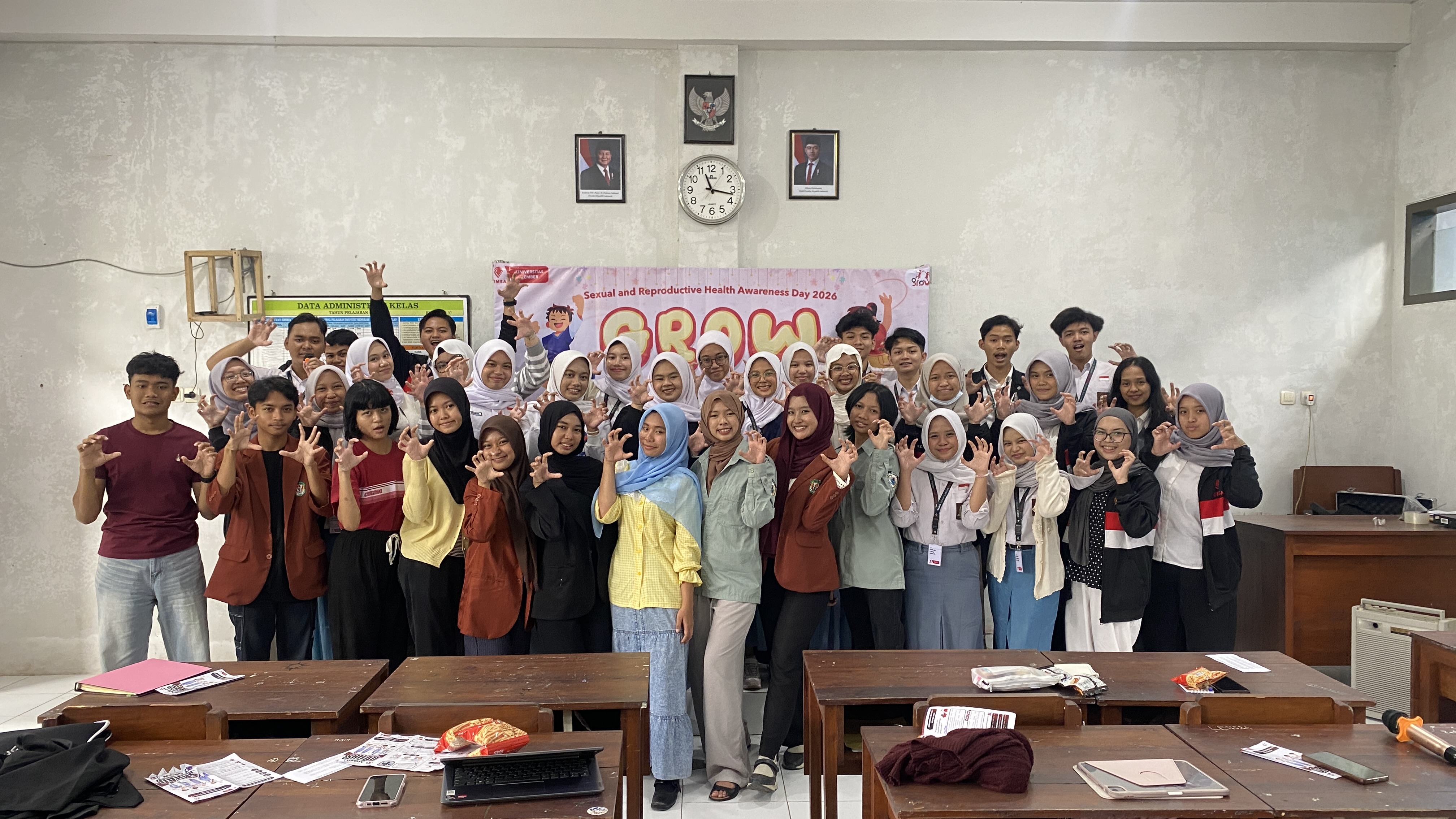
Based on this problem, SCORA CIMSA UNEJ implemented GROW (Growing with Respect, Ownership, and Well-being) in celebration of Sexual and Reproductive Health Awareness Day 2026. The activity aimed to strengthen knowledge regarding STI transmission and contraception, foster positive attitudes toward open discussion of reproductive health, and encourage responsible reproductive health-seeking behaviors among adolescents and young adults.
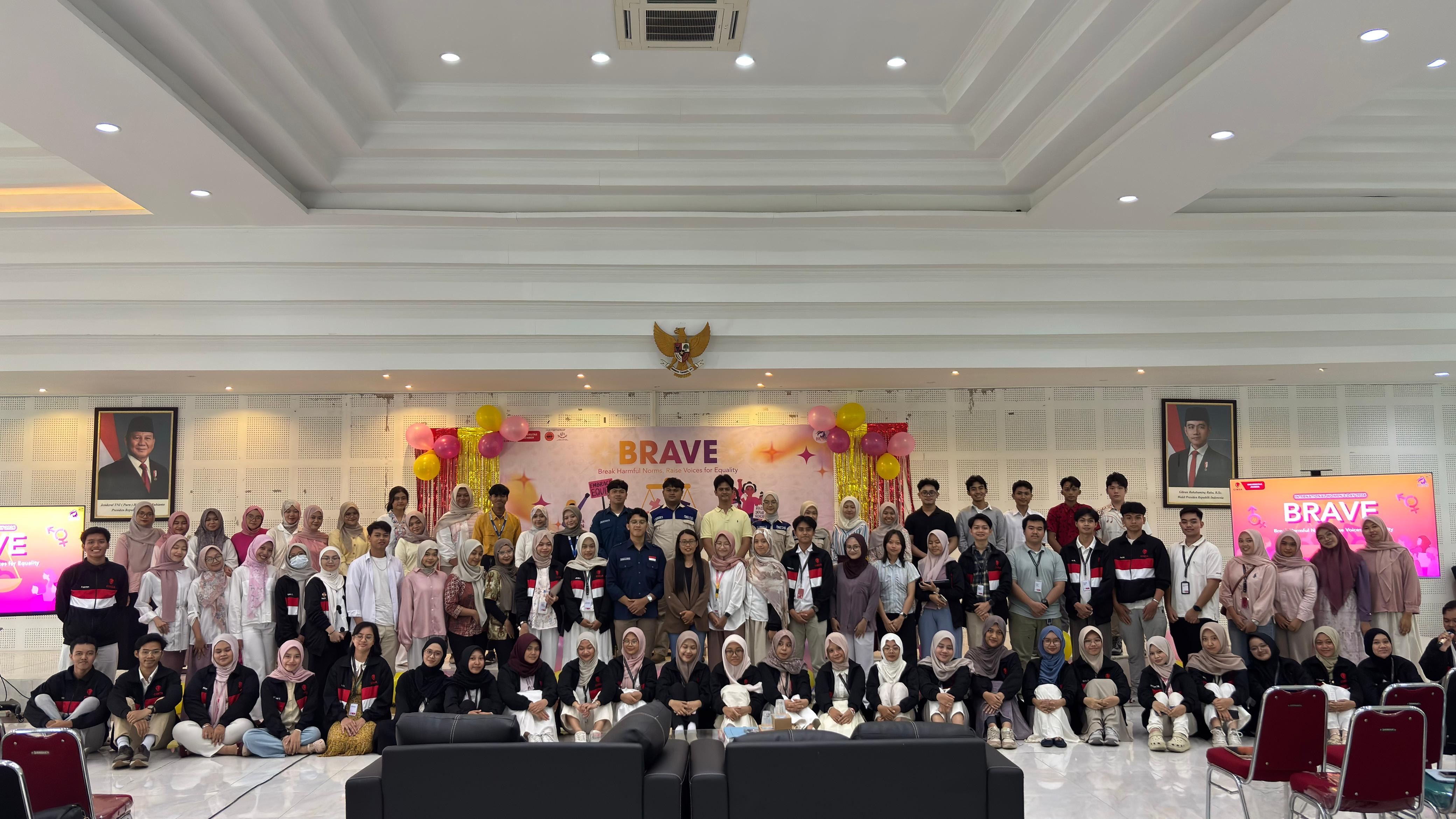
The methodology was implemented in three phases: pre-activity, main event, and post-event. The pre-activity phase consisted of a training session on “Basic Peer Educator” and “Comprehensive Sexual Education” to equip members with the necessary knowledge dans skills. The main event featured a seminar and an interactive workshop on proper reporting and appropriate responses to gender-based violence, accompanied by educational brochure distribution to participants. The post-event phase included a social media campaign, a radio broadcast, and the publication of an infographic entitled “Smart Teens, Safe Choices!” to expand outreach.
The outputs of this activity include improved awareness regarding STI prevention and contraception, increased confidence in discussing reproductive health, and strengthened commitment to practicing healthy reproductive behaviors.