Flooding remains one of the most frequent hydrometeorological disasters in Indonesia, including in Jember Regency, where prolonged rainfall and decreasing water absorption areas contribute to recurrent inundation. A pre-activity assessment conducted by SCORP CIMSA Universitas Jember involving 27 respondents revealed that overall knowledge regarding floods was categorized as good (63.7/100). However, 74.1% of respondents misunderstood the negative impacts of floods, and 40.7% answered incorrectly regarding appropriate flood management strategies. Although attitudes were rated very good (3.9/4), behavioral scores were only good (3.1/4), mainly due to limited education and practical exposure related to the creation of water infiltration areas. These findings indicate a gap between awareness and implementation, emphasizing the need for structured environmental education and skill-based intervention.
Based on this problem, the aims of the activity were to improve community knowledge about flood impacts and proper management, enhance environmental responsibility, and strengthen practical skills in developing water absorption systems such as biopores. The program also aimed to promote community resilience in commemoration of Earth Day 2026.
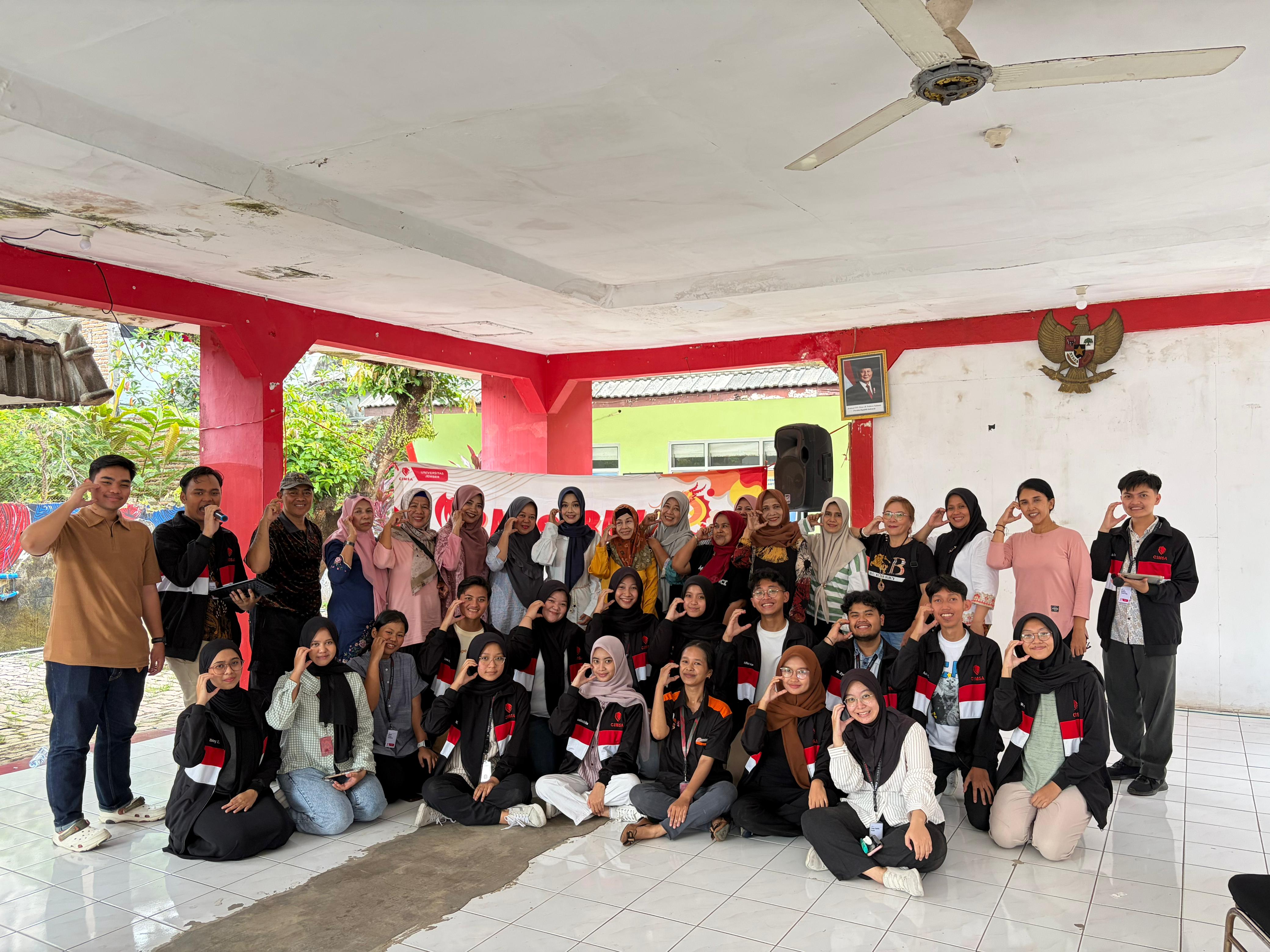
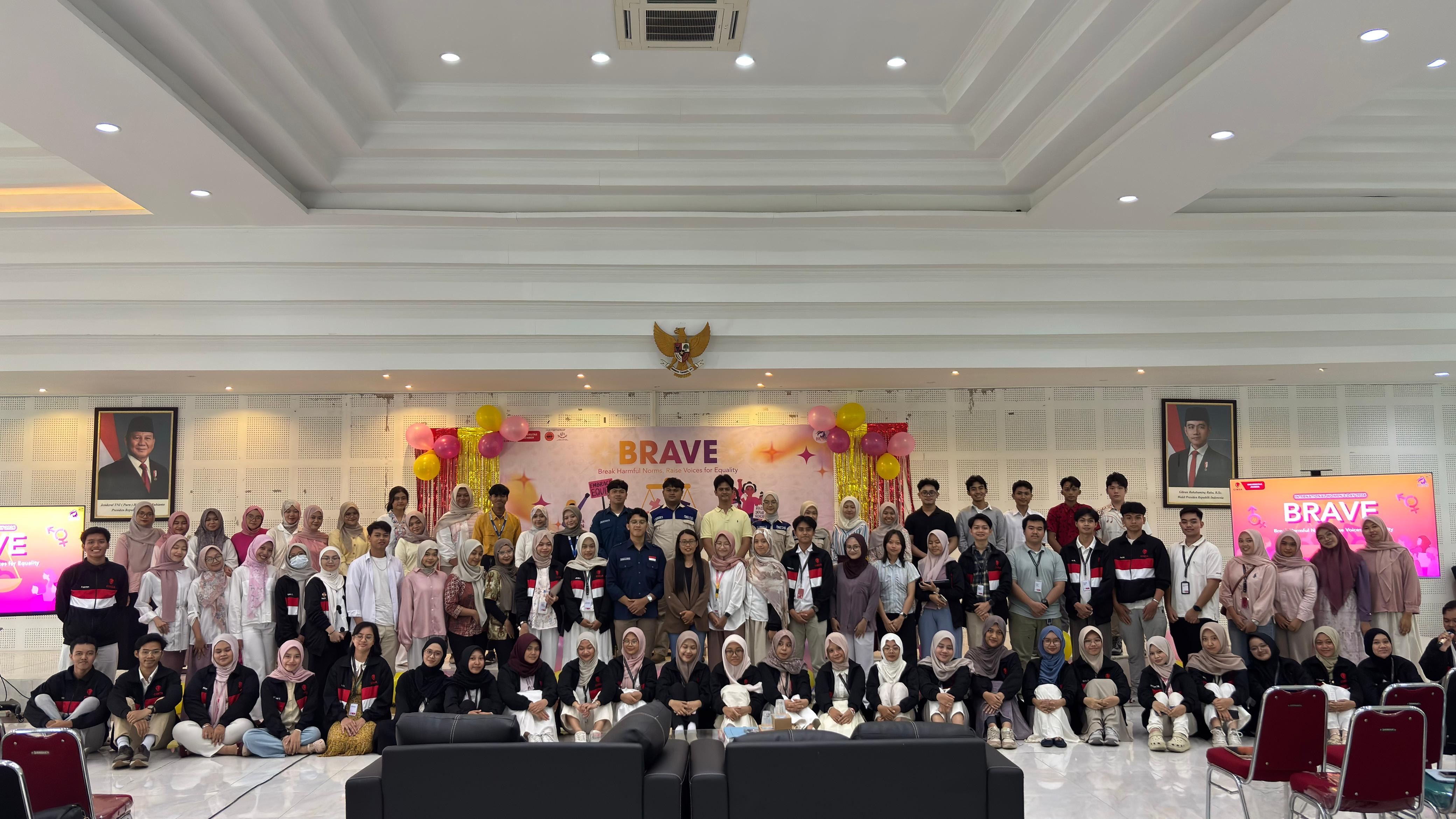
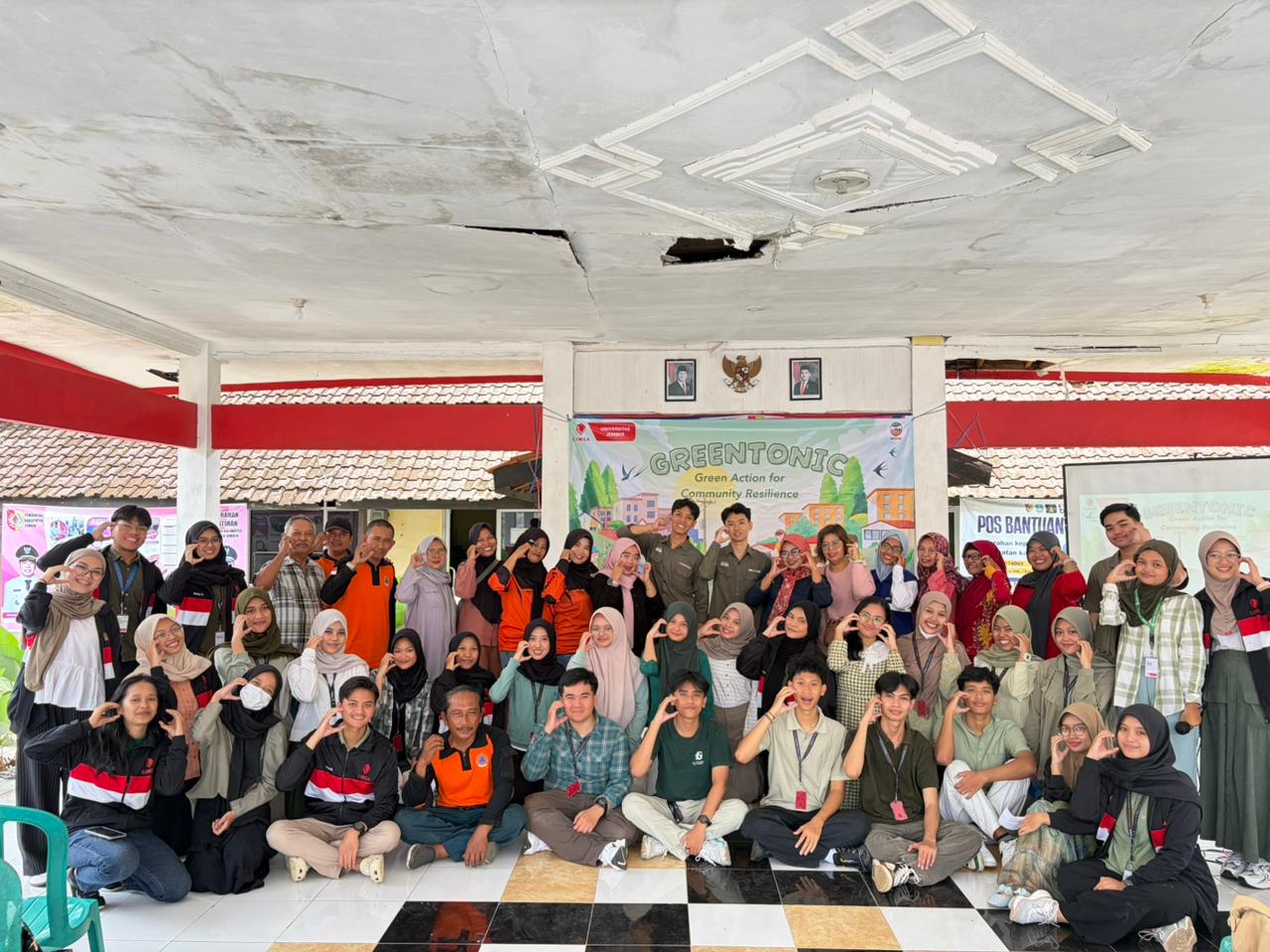
The methodology was carried out in three stages: pre-activity, main event, and post-event. The pre-activity phase included an upgrading session on “Climate Change” and “Disaster Risk Reduction” delivered by two speakers from CHRT to equip the committee with comprehensive foundational knowledge. The main event consisted of a seminar titled “Green Action for Community Resilience” presented by the Environmental Engineering Student Association and attended by the Community “Desa Tangguh Bencana” in Kelurahan Kepatihan. This was followed by a hands-on workshop on making biopores from PVC pipes, facilitated by SCORP CIMSA UNEJ members together with the community participants. The post-event stage included a social media campaign via CIMSA UNEJ’s Instagram and a radio broadcast to disseminate educational messages and activity outcomes to a broader audience.
The outputs of this activity include increased public understanding of flood mitigation, improved practical skills in constructing biopores, and expanded outreach through digital and radio platforms, contributing to strengthened environmental awareness and sustainable community action.