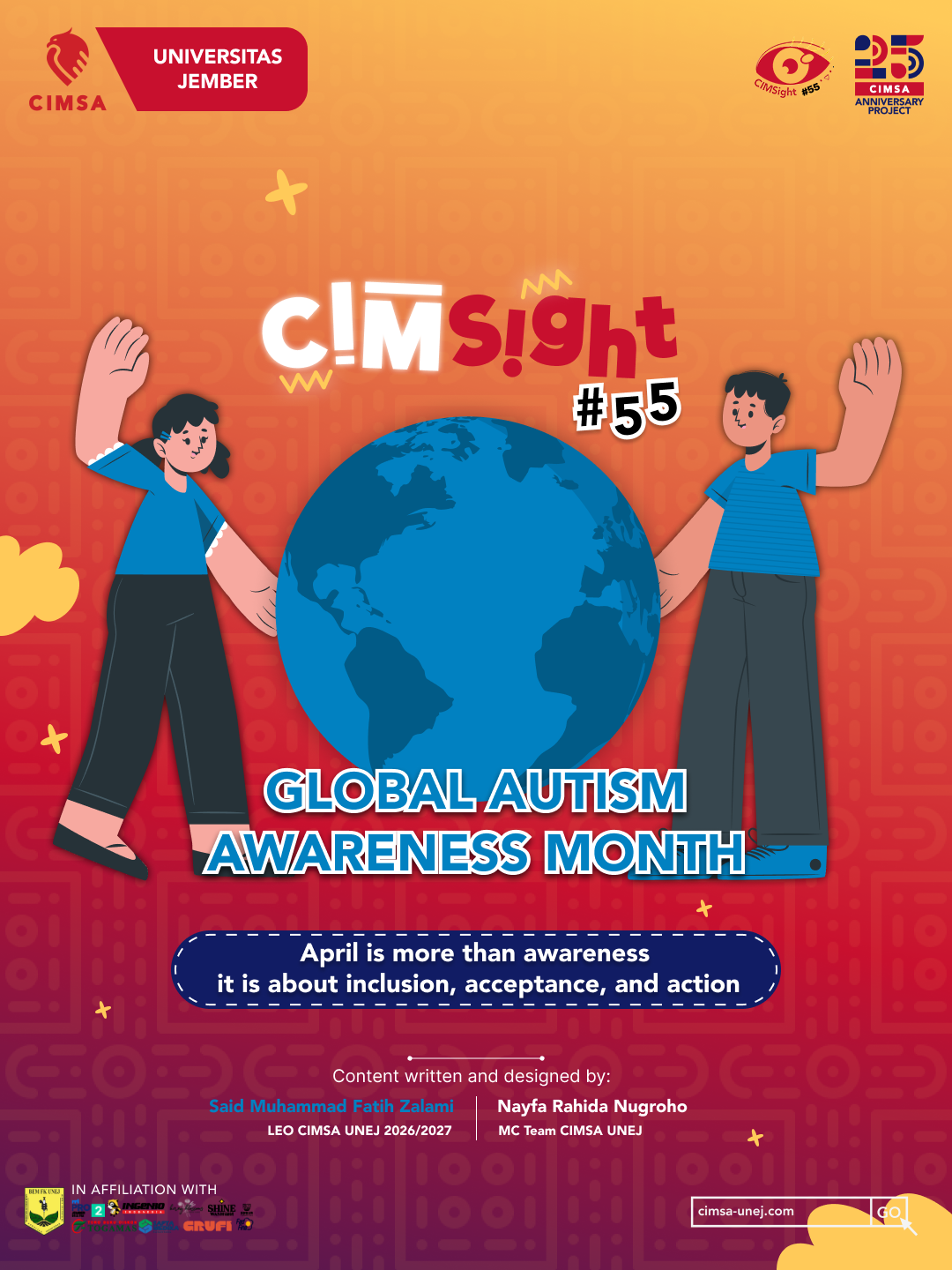
Global Autism Awareness Month: A Worldwide Movement for Inclusion and Understanding
Autism Spectrum Disorder (ASD) is a neurodevelopmental condition that influences communication, behavior, sensory processing, and social interaction. According to the World Health Organization (WHO), approximately 1 in 100 children worldwide are autistic, making autism an important global public health and social inclusion issue.
Every year, communities across continents observe World Autism Awareness Day on 2 April, while many countries extend the campaign throughout April as Global Autism Awareness Month. This annual movement encourages society to improve understanding, reduce stigma, and build inclusive environments for autistic individuals and their families. As medical students involved in international networks such as International Federation of Medical Students’ Associations(IFMSA), this momentum also reminds us that health awareness is strengthened through global collaboration and cultural exchange.
The Origins of World Autism Awareness Day
World Autism Awareness Day was officially designated by the United Nations General Assembly in 2007 through Resolution 62/139. The day was first observed on 2 April 2008, becoming one of the few health-related international observances recognized by the UN. Its establishment reflected growing global concern regarding the rights, wellbeing, and inclusion of autistic individuals.
Over time, the campaign evolved from simply “awareness” toward broader goals of acceptance, appreciation, accessibility, and action. Today, many organizations emphasize listening to autistic voices and promoting neurodiversity rather than focusing only on diagnosis. This shift also reflects how healthcare discussions continue to develop across countries through shared learning and mutual understanding.
Why Global Awareness Matters
Despite increasing recognition, many autistic individuals still experience barriers in healthcare, education, employment, and community life. In some countries, diagnosis may be delayed due to limited specialists or stigma. In others, support services remain unequal or expensive.
WHO notes that early evidence-based intervention, inclusive education, and family support can significantly improve long-term quality of life. Therefore, Autism Awareness Month is not only symbolic—it is a call for policy change, better services, and more compassionate societies. For future healthcare professionals, understanding these differences is essential in building empathy and culturally sensitive care.
How Countries Around the World Participate
United Kingdom: Youth Advocacy and Community Illumination
In the United Kingdom, organizations such as UNICEF UK have used Autism Awareness Day resources to educate young people about inclusion and empathy. Meanwhile, regional charities such as Autism Anglia launched “Light Up Our Region” campaigns, encouraging landmarks and public spaces to illuminate blue in support of autistic communities. Such initiatives show how public engagement can shape more inclusive communities.
Japan: Landmarks and Rights-Based Inclusion
Japan has marked World Autism Awareness Day through blue illumination of iconic landmarks such as Tokyo Tower and other national sites. Beyond symbolic campaigns, Japanese institutions have also highlighted discussions on inclusive society, disability rights, and innovative support systems such as autism assistance dogs. Learning from different national approaches like this is one of the values promoted through exchange and cross-cultural exposure.
United Arab Emirates: Public Campaigns in Major Landmarks
In the UAE, public institutions and health authorities have organized nationwide awareness events. Dubai landmarks such as Burj Khalifa and Global Village have participated in blue-light campaigns to raise visibility and encourage public understanding. These efforts demonstrate how collaboration between healthcare institutions and public spaces can amplify health messages.
Southeast Asia: Building Regional Momentum
Indonesia
In Bandung, Indonesia, local authorities commemorated Autism Awareness Day 2026 by calling citizens to eliminate stigma and appreciate the abilities of autistic individuals through public engagement activities. This reflects the importance of community-based advocacy in improving social acceptance.
Malaysia
Early Autism Project Malaysia continues supporting families through initiatives such as The Hope Project, focusing on therapy support, education, and empowerment. Their work highlights that awareness must be followed by accessible support systems.
Singapore
Gardens by the Bay also joined Autism Awareness Month through public events, reinforcing that inclusion belongs in everyday public spaces.
A Shared Message Across Borders
Although celebrations differ by country, their goals are remarkably similar:
- Reduce stigma and misinformation
- Encourage early detection and intervention
- Support autistic individuals and families
- Promote inclusive education and employment
- Celebrate neurodiversity and human dignity
Autism Awareness Month reminds us that inclusion is not the responsibility of one nation alone—it is a global commitment. Through programs such as Standing Committee on Professional Exchange (SCOPE), medical students are also encouraged to understand how health issues are approached differently across cultures and healthcare systems.
The Role of Future Healthcare Professionals
For medical students and future doctors, understanding autism means learning to provide patient-centered, respectful, and culturally sensitive care. Different countries may approach diagnosis, therapy, education, and disability rights in different ways. Through international collaboration and exchange, future healthcare workers can learn practices that strengthen inclusive healthcare systems worldwide.
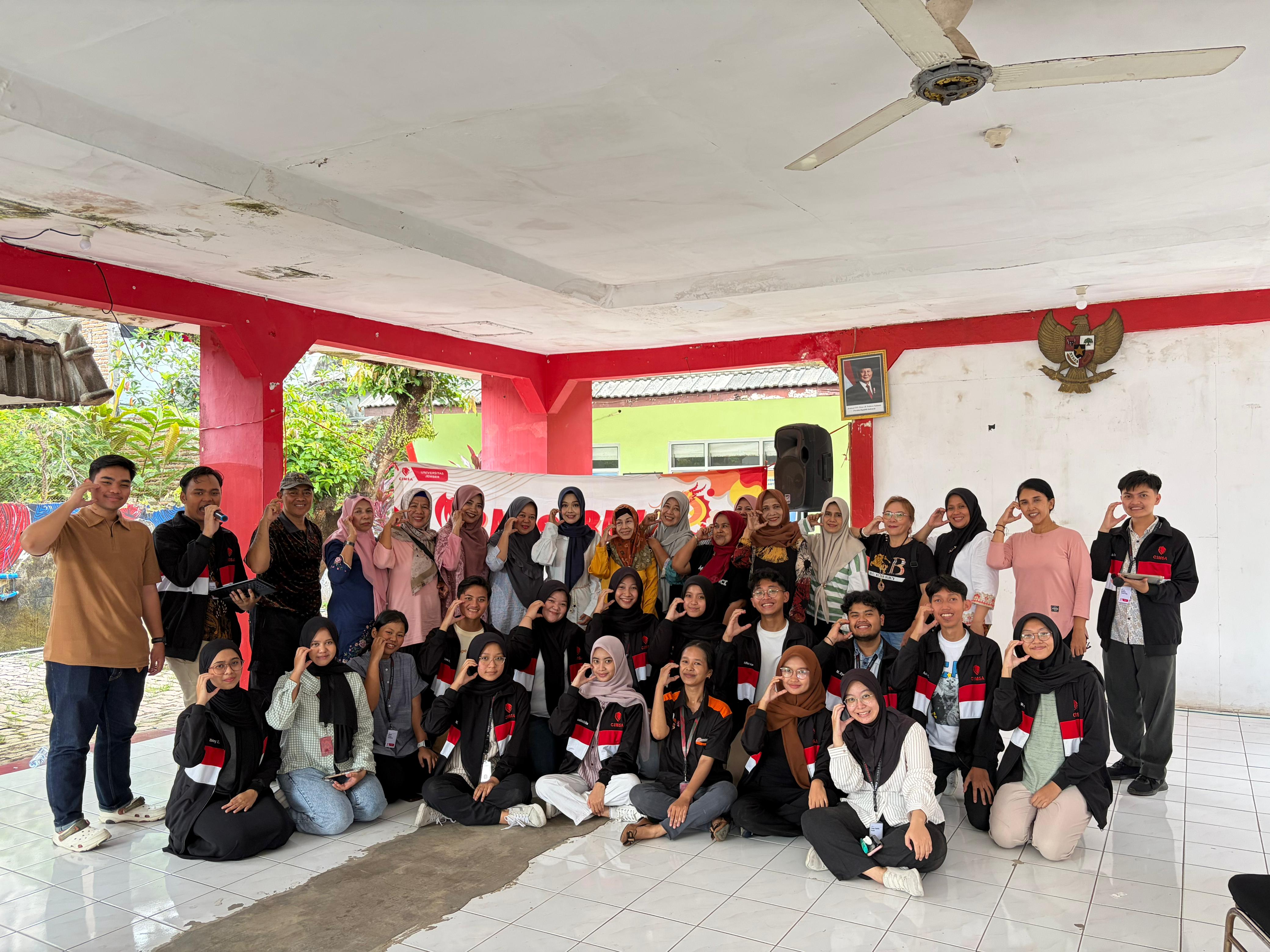
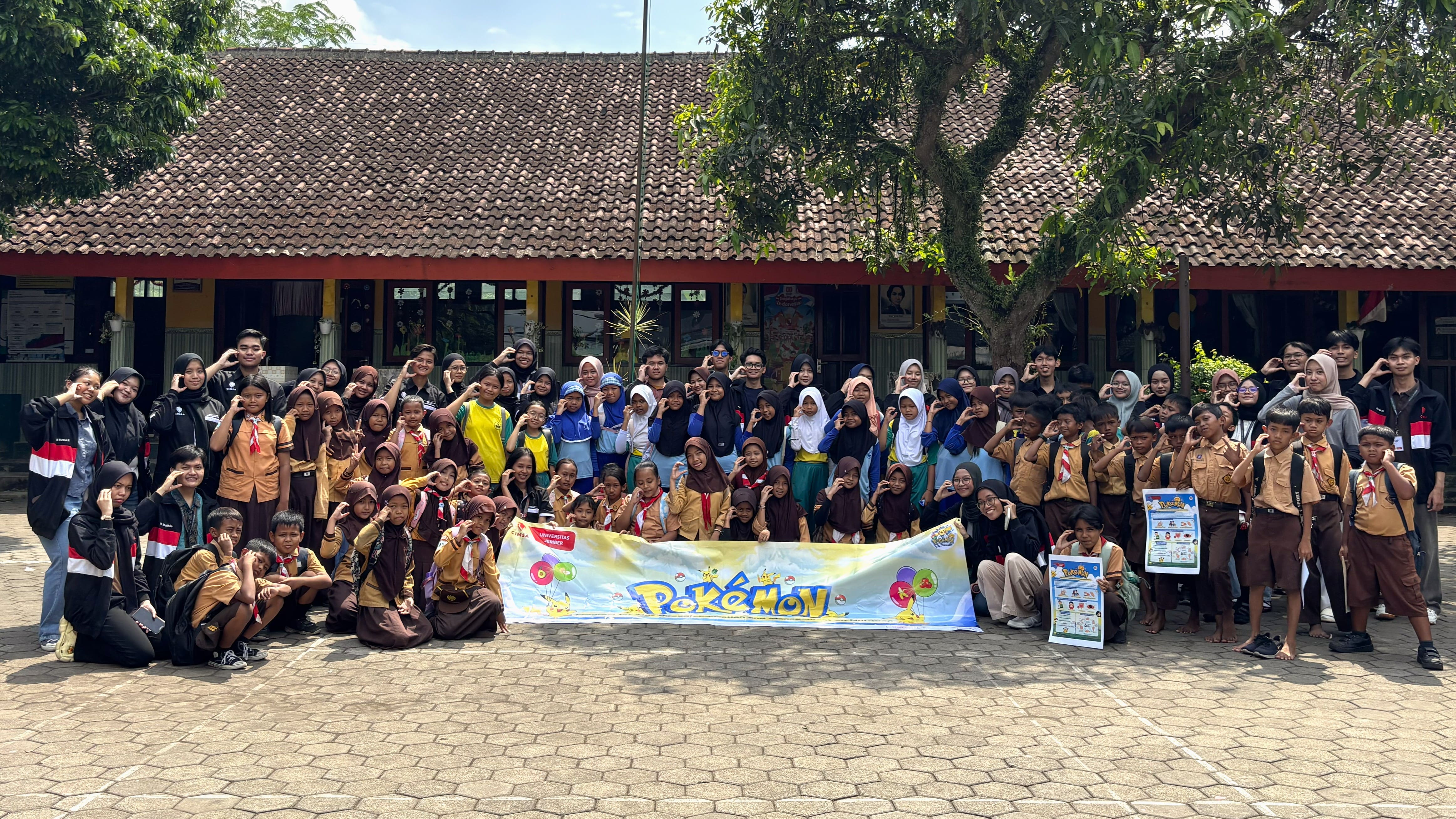
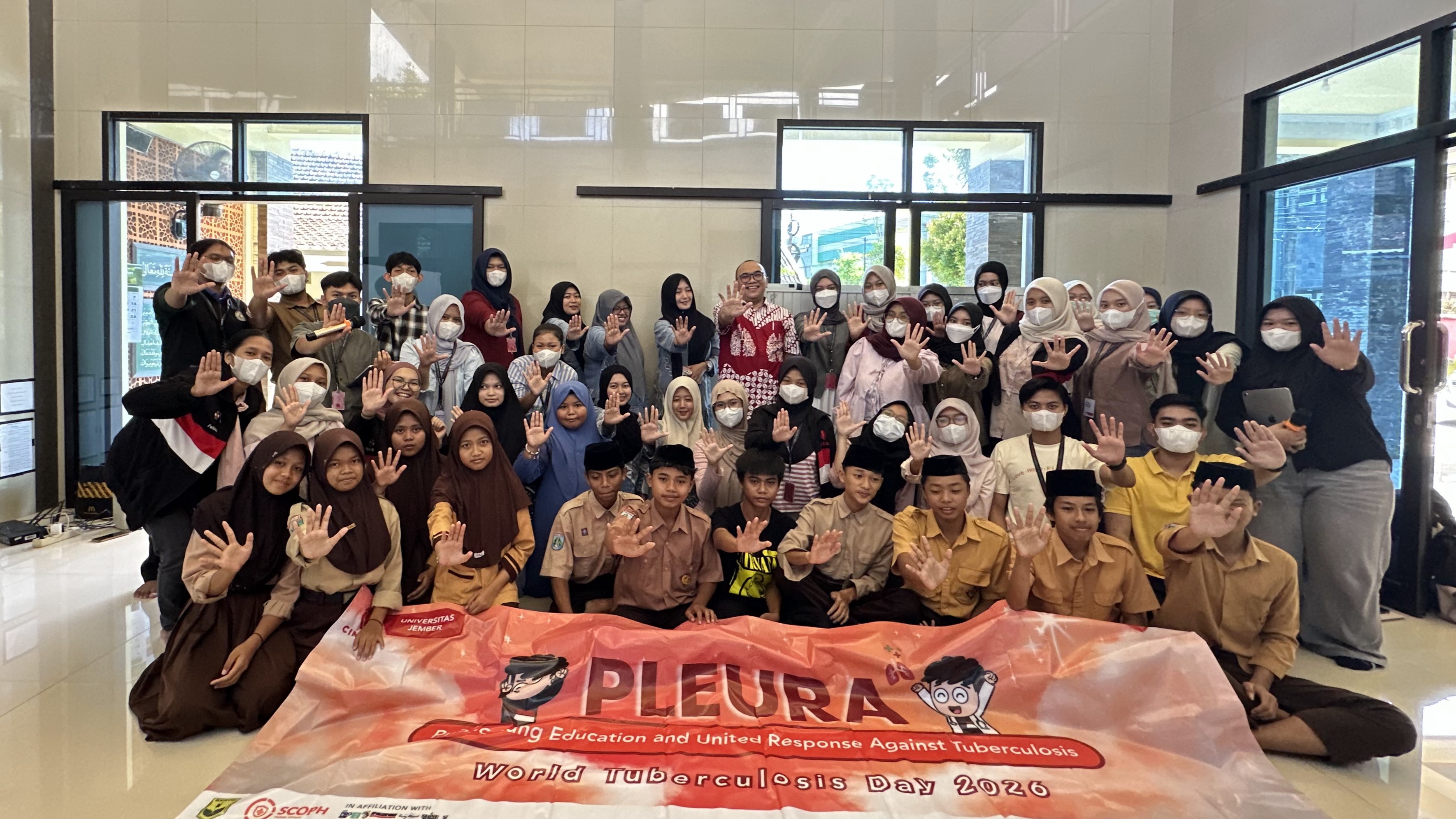
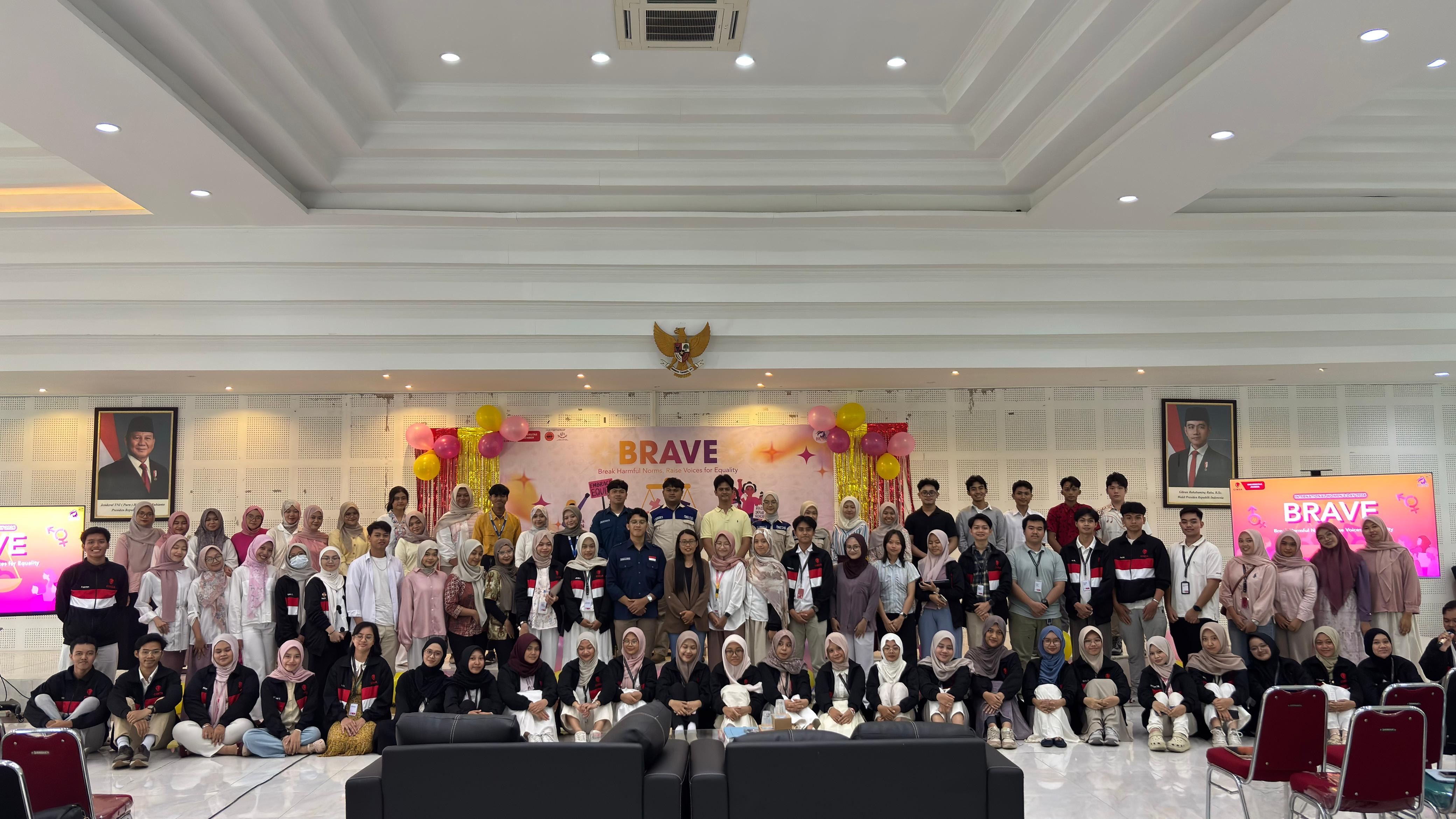
As part of Center for Indonesian Medical Students’ Activities (CIMSA), which is a member of IFMSA, students are encouraged to grow not only in clinical competence, but also in global perspective, social awareness, and commitment to equitable healthcare.
Awareness begins with knowledge, but progress happens through action. By listening, learning, and advocating for accessibility, we help create communities where every individual can thrive.